Turn this guide into a tailored, interview-ready letter in minutes.
How to write a cover letter for a job application (2026 guide)
UK employers and ATS tools read your letter before many humans do. Use the structure below, then ship a polished PDF with NeuraCV when you are ready to apply.
Free · No card · PDF in minutes · Pairs with your NeuraCV
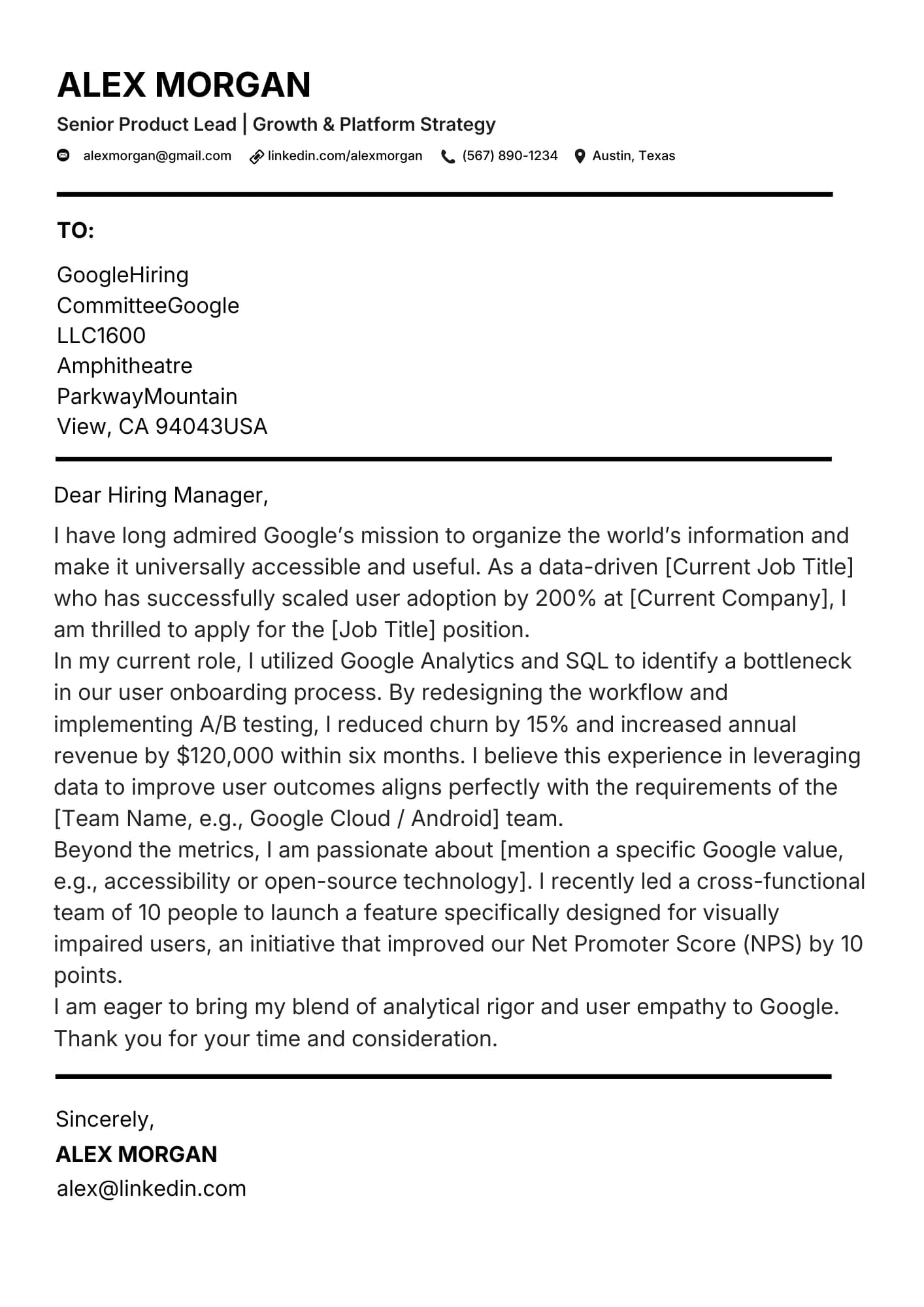
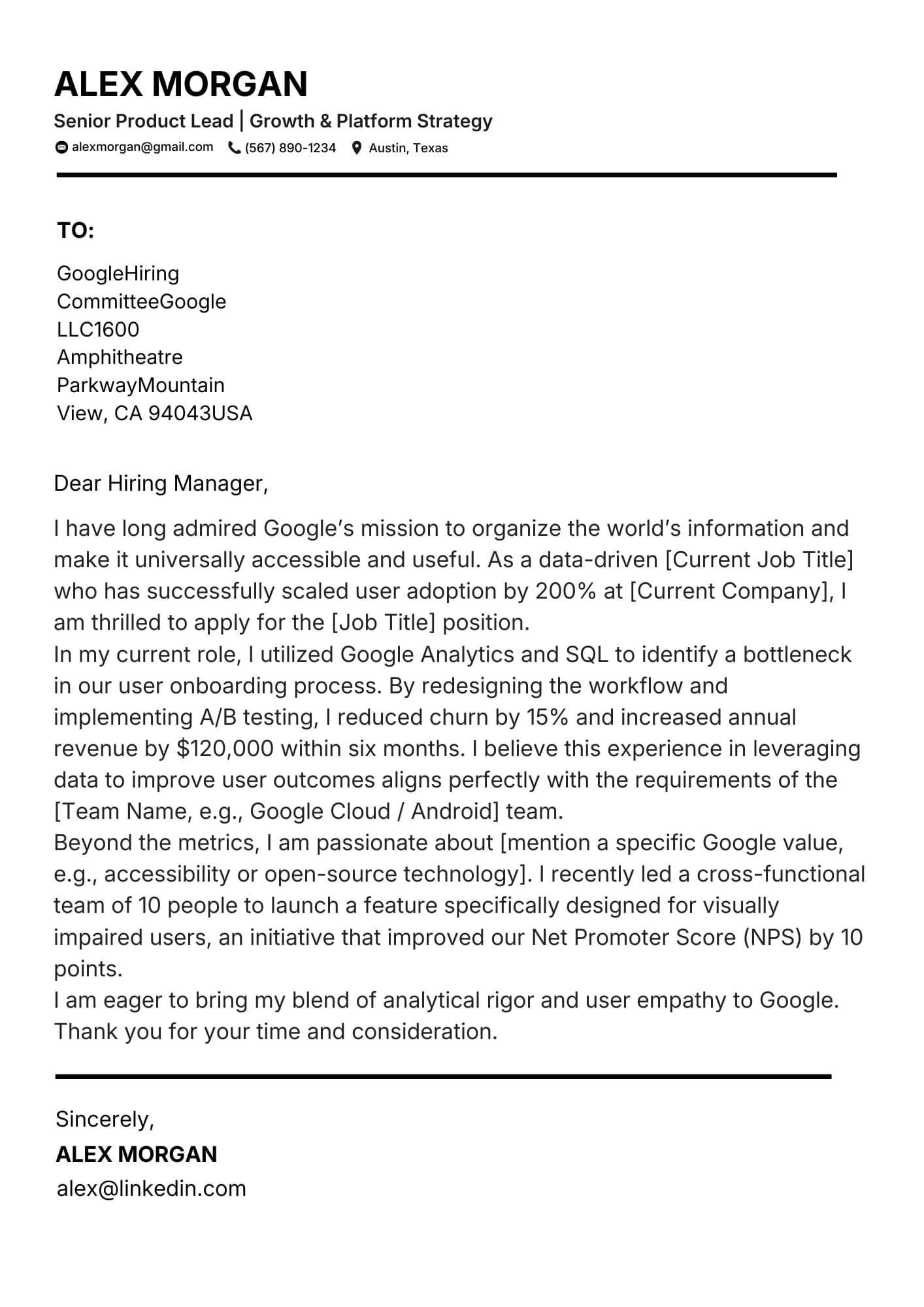
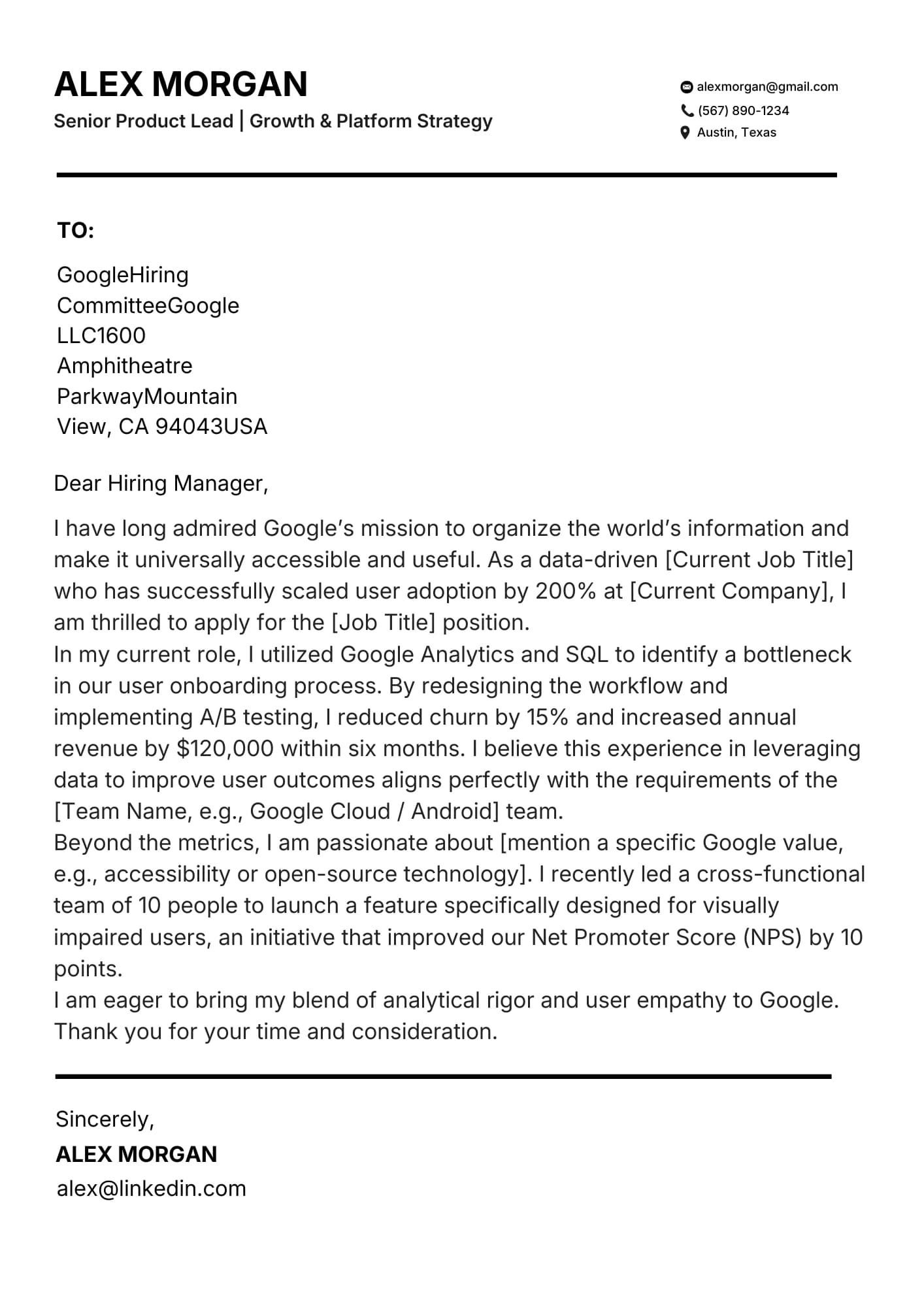
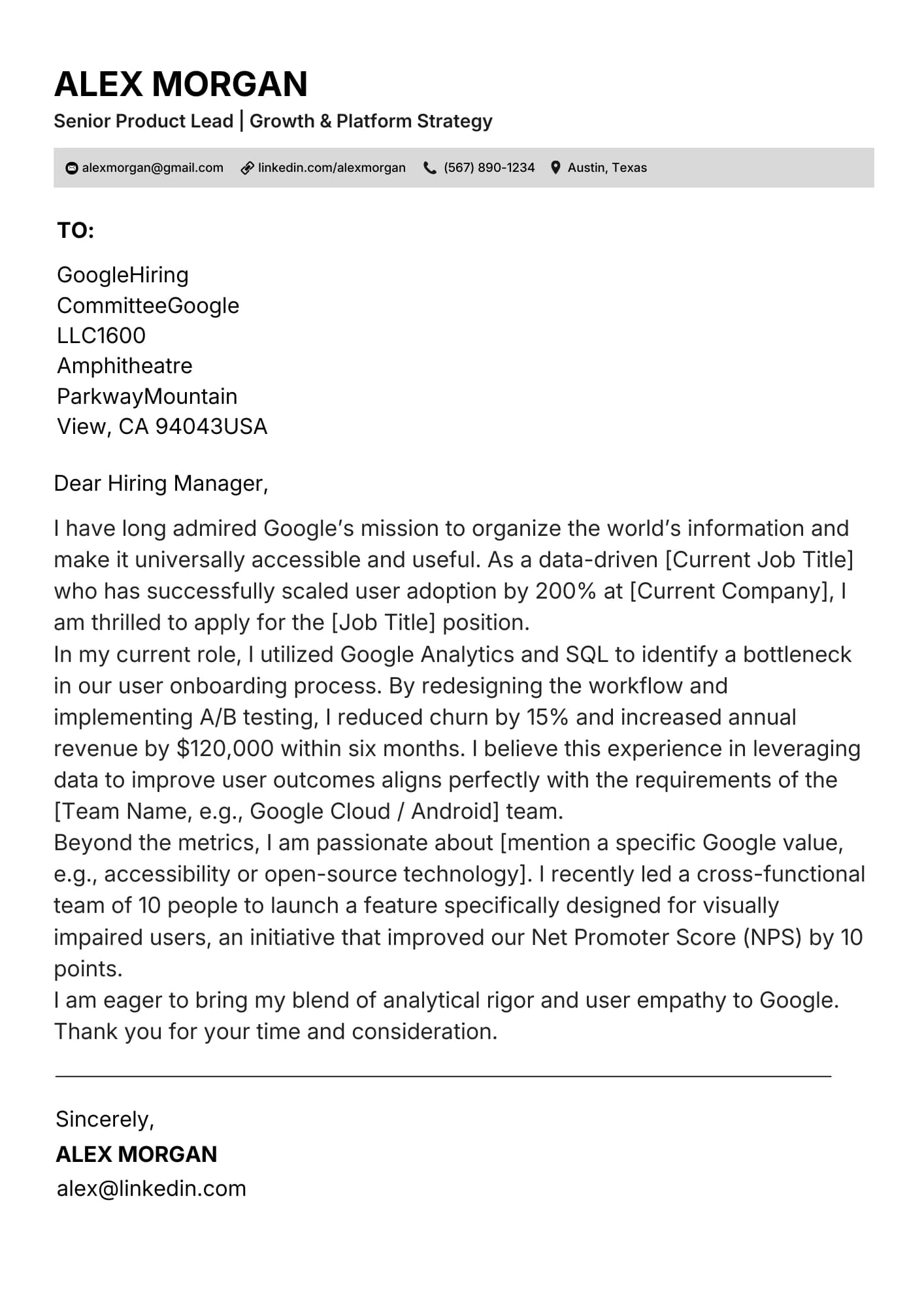
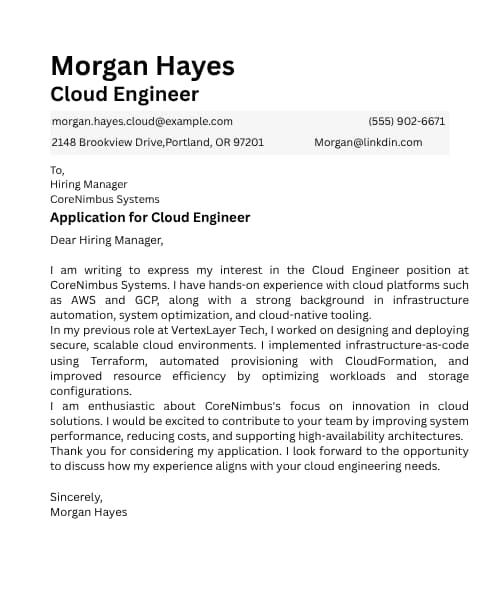
Cover letter and CV template examples you can edit in NeuraCV (2026)
Sign in to open any template in the editor, match it to your CV styling, and draft your letter in a few minutes.
What the research says about cover letters in 2026
Cover letters are not a formality. In a 2025 survey of UK hiring managers, 91 per cent said they read cover letters when making shortlisting decisions, even when the application form only required a CV. The letter gives recruiters context that a list of job titles and dates simply cannot provide. It answers the question every recruiter asks internally: why does this person actually want this job?
The 2.4x interview uplift figure is not an accident. It reflects the reality that most candidates send generic applications. A tailored cover letter that mirrors job description language, cites a specific company initiative, and leads with a concrete achievement immediately separates you from the majority of applicants in any pile. The effort takes about fifteen minutes per application once you have a strong template.
In 2026 the cover letter also plays a role in ATS screening. Eight in ten modern applicant tracking systems used by UK employers now parse the cover letter text alongside the CV for keyword density and semantic relevance. That means your letter needs to be both human-readable and machine-readable. The good news is that both requirements point in the same direction: be specific, be relevant, and use the same language the employer uses.
Ready to turn this into a tailored letter? Start in NeuraCV — free, no card required.
Start my cover letter — freeWhat is a cover letter?
A cover letter is a short professional document that accompanies your CV or resume. It introduces you to the hiring manager, explains why you are applying for this specific role at this specific company, and highlights one or two achievements that are directly relevant to what the employer needs. Think of it as your first 30-second conversation with a real person before they have agreed to meet you.
Your CV lists what you did, where you did it, and when. Your cover letter explains the story behind your best work and why it matters for this role. The two documents are complementary. A recruiter who reads both leaves the application with a much richer picture of you as a candidate than one who only reviews a list of bullet points. That richer picture translates directly into interview invitations.
Modern ATS systems parse cover letter text for keyword signals in addition to your CV. They extract phrases related to the role, the industry, and the required skills. This means that your letter now serves three audiences simultaneously: the ATS that screens it first, the recruiter who reads the shortlisted applications, and the hiring manager who makes the final call. Writing well for all three is easier than it sounds and this guide will show you how.
The do's and don'ts for every applicant
Use the first card to lift quality fast, and the second card to avoid instant rejections.
What to do
- Use the hiring manager's name if you can find it. A personalised greeting signals that you have done your research and genuinely care about the specific role.
- Mention one specific thing you value about the company. Referencing a recent initiative or company mission shows you are genuinely interested rather than mass applying.
- Check for spelling and grammar mistakes at least twice. UK recruiters cite errors as the top reason they reject a letter before reading the rest of it.
- Send as a PDF so the layout does not break. PDFs preserve your formatting across all devices and ATS platforms consistently.
- Keep it under one page. Recruiters spend on average six seconds scanning a letter so brevity and punch matter more than length.
- Mirror keywords from the job description. ATS systems scan cover letters for the same phrases they look for in your CV so use the exact terminology the employer uses.
- Open with a hook that states your value. Tell the hiring manager what you bring before explaining what you want from the role.
What to avoid
- Do not copy and paste your resume into the letter. Recruiters can spot a recycled resume immediately and it signals very low effort.
- Avoid "To Whom It May Concern" when you can find a name. Five minutes on LinkedIn or the company website is usually enough to find the hiring manager.
- Do not make every sentence about yourself. Connect your experience to what the employer needs and show how you solve their problem.
- Never write more than one page. A second page is rarely read and often signals poor editing skills to the recruiter.
- Do not use unusual fonts or decorative colours. ATS systems and most recruiters prefer clean readable text without design distractions.
- Avoid vague claims without evidence. Saying you are a great communicator means nothing without a concrete example to back it up.
- Do not send the same letter to every job. Generic letters are easy to spot and signal that you are not serious about the specific role or company.
The single highest-impact change you can make to any cover letter is switching from generic claims to specific evidence. "I am highly motivated" tells the recruiter nothing. "I increased our team's output by 25 per cent over six months by introducing a weekly prioritisation process" tells them everything they need to know about how you work and what you will deliver.
The 5-step cover letter structure
Every effective cover letter follows the same five-part structure regardless of industry, seniority, or role type. Each section has a specific job to do. Follow this sequence and your letter will be easy to read, easy to scan, and easy for an ATS to parse correctly.
- 1
The Header
Add your full name, professional email address, and phone number at the top. Include your LinkedIn profile URL if it is up to date and relevant. Keep the layout clean and consistent with your CV so both documents feel like a matching professional set.
- 2
The Greeting
Address the hiring manager by name whenever possible. Check the job posting, the company website, or LinkedIn to find who will be reading it. If you genuinely cannot find a name then "Dear Hiring Manager" is acceptable but avoid "Dear Sir or Madam" as it sounds outdated.
- 3
The Hook
State the exact role you are applying for and why you want it now. Be specific about what excites you about this company or team rather than using generic enthusiasm. ATS systems read the opening paragraph closely so include the job title exactly as it appears in the job posting.
- 4
The Why Me
Pick one or two concrete achievements and explain how they transfer directly to the role. Quantify where possible. "I managed a support queue of 200 tickets per week and reduced resolution time by 30 per cent" is far stronger than "I have customer service experience." Make the recruiter picture you already doing the job.
- 5
The Sign-off
Close by expressing enthusiasm for a conversation and thanking the reader for their time. "I would welcome the opportunity to discuss how I can contribute to your team" is clean and confident. Use "Yours sincerely" if you used a name or "Yours faithfully" if you addressed a general title.
Writing a first impression hook that gets read
The first sentence of your cover letter is the most important sentence in the entire document. It determines whether the recruiter reads the rest or moves on to the next application. Most people open with "I am writing to apply for the role of..." which adds no value and wastes the reader's most limited resource: their attention. Your opening line should immediately signal what you bring rather than what you want.
ATS platforms read the opening paragraph for relevance signals before passing the document to a human reviewer. A hook that contains the job title, one measurable achievement, and a forward-looking connection to the role performs significantly better in automated screening than a generic introduction. Think of it as your headline: one sentence that earns the right to be read further.
The three most common applicant types each need a slightly different hook approach. A career changer needs to front-load their transferable value before the reader assumes the application is irrelevant. A graduate needs to immediately anchor an academic or project achievement to a real-world skill. A senior professional should name their scale of impact before their job title so the reader knows they are dealing with someone who delivers results at a meaningful level.
“After eight years in retail operations managing teams of up to 20 people, I am excited to bring that leadership experience to the Operations Manager role at [Company]. My track record of reducing staff turnover by 40 per cent translates directly to your current hiring priorities.”
“My final year project on machine learning for fraud detection gave me hands-on experience with Python and real financial datasets, which is exactly what the Data Analyst role at [Company] requires. I graduated with a First Class degree and have already applied those skills in a three-month placement with a fintech startup.”
“Having led three digital transformation programmes worth over five million pounds, I know what it takes to align technology investment with business outcomes. The Chief Technology Officer position at [Company] aligns precisely with the work I have been doing for the past decade.”
How to tailor every letter without starting over
The number one difference between candidates who get interviews and candidates who do not is tailoring. A tailored letter shows the recruiter that you have read the job description carefully, that you understand what the role requires, and that you have thought about why your specific background is a match. It takes around fifteen minutes per application once you have a solid master letter built.
Keyword mirroring is the fastest and most effective tailoring technique. Identify the three to five skills or phrases that appear most frequently in the job description and weave them naturally into your letter using the exact same words. ATS systems reward keyword alignment and human recruiters subconsciously trust language that feels familiar to the role they are hiring for. You are not keyword stuffing. You are speaking the employer's language.
Read the JD twice
Highlight every skill, tool, and qualification that appears more than once. These repeated requirements are the employer's top priorities and must appear in your letter.
Extract three to five keywords
Write them down separately. You will weave each one naturally into your letter without forcing them. Use the exact phrasing the employer uses rather than synonyms.
Swap in matching achievements
For each keyword find a concrete example from your own history that demonstrates it directly. One strong quantified example is worth ten generic statements.
Match the company tone
Read the job posting language, the careers page, and a few recent social media posts to understand whether the culture is formal or conversational. Mirror that tone in your letter.
No experience? Here is what to write instead
If this is your first job or your first role in a new field, you have more relevant material than you think. UK graduate employers and entry-level hiring managers are not looking for years of professional experience. They are looking for evidence that you can learn quickly, take initiative, solve problems, and communicate clearly. All of these things can be demonstrated through work that was never paid.
The key is to frame every item you mention in terms of what you did, what you used to do it, and what the outcome was. "I completed a Python course" is weak. "I completed a 40-hour Python course on Coursera and used what I learned to build a data cleaning tool that reduced our university project's analysis time from three hours to twenty minutes" is strong. The length of experience matters far less than the quality of the evidence you provide.
UK employers in sectors like technology, marketing, finance, and the public sector regularly hire graduates with no direct professional experience. What differentiates successful graduate applications is specificity. Every item you include should connect directly to at least one skill listed in the job description. If it does not connect, leave it out.
University projects or a final year dissertation
Explain what problem you solved, what tools you used, and what the outcome was. Treat it like a mini work project.
Volunteer work or community involvement
Any evidence of taking initiative and delivering results for others counts as real experience regardless of whether it was paid.
A personal project you built in your spare time
Side projects show self-direction and genuine passion for the field. Link to a GitHub repository or portfolio where possible.
Online courses or certifications you completed
Mention the platform and subject area to give the recruiter context. Completion certificates from recognised providers carry weight.
Relevant modules from your degree programme
If a specific module covered exactly the skill the job asks for, name it and explain what you learned and applied.
Internships or work placements even if brief
Even a two-week placement demonstrates workplace awareness, professionalism, and the ability to deliver in a real environment.
Transferable skills from part-time or service work
Communication, time management, and customer handling are valued across every industry. Frame them in the language of the role you want.
The pre-send final check
Before you submit any cover letter, spend two minutes running through this checklist. Even a single error in the company name or job title can end an application immediately. Recruiters notice the details and your attention to them signals how you will perform in the role itself.
Frequently asked questions
Use a clear header and greeting, name the exact role in the opening line, add two short paragraphs with quantified achievements that map to the job description, mirror important keywords for ATS, and close with a polite call to action. Keep it to one page as PDF. Follow the step-by-step structure below for a full walkthrough.
One page or fewer is the standard. Recruiters spend on average six seconds on an initial scan so three or four short paragraphs work best. A long cover letter signals poor editing skills and often gets skipped entirely. Keep every sentence purposeful and cut anything that does not add clear value about why you are the right fit for this specific role.
Yes in most cases. Research consistently shows that executives and hiring managers value cover letters even when they are listed as optional. A short tailored letter demonstrates initiative and explains your motivation for applying. Skip it only when the employer explicitly states that one should not be included or when the application system does not have a field for it.
Focus on university projects, volunteer work, online courses, or personal projects you have completed. UK graduate employers specifically look for evidence of problem solving and initiative rather than years of paid experience. Explain how each item you mention connects directly to the skills listed in the job description so the recruiter can see the relevance without having to guess.
Build a strong master letter and then customise three key sections for each application. Change the greeting, the opening hook paragraph that names the role and company, and at least two concrete achievement examples that match the specific job description. The rest of the structure can stay consistent. This approach takes around ten minutes per application once your master letter is strong.
Yes. Most modern ATS platforms used by UK employers parse cover letter text for keywords alongside the CV or resume. Use the same terminology the employer uses in the job posting. Avoid abbreviations or synonyms that the system might not recognise as equivalent. For example if the posting says "stakeholder management" use that exact phrase rather than "managing relationships" or "client liaison".
Professional but human and direct. Write in the first person and avoid overly formal or stiff language that sounds like it was written by a committee. Read the company website, careers page, and a few recent social media posts to gauge whether they use formal or conversational language and then match your tone to theirs. The goal is to sound like a real person who is genuinely interested in this specific employer.
Yes. AI tools can produce a solid starting draft quickly and help you overcome blank page paralysis. The key is to personalise the output with your own specific achievements, the correct company name, and the exact role details. A generic AI draft sent without personalisation is easy for recruiters to spot and rarely performs as well as a tailored letter. Use AI to draft and then spend ten minutes making it authentically yours.
A cover letter is addressed to a specific employer for a specific role. It focuses on your relevant experience and why you want that particular job at that particular company. A personal statement is typically used for university applications or graduate schemes and covers your overall character, goals, and motivations at a broader and more reflective level. The two documents serve very different purposes and should not be confused or swapped.
Interview-ready cover letter in minutes
Free to start. No credit card required. Trusted by 50,000 plus UK job seekers.
- Free to start — AI-assisted drafting you can tailor fast
- Templates that match your CV styling
- Export to PDF when you are ready to apply
Quick answer
Use a clear header and greeting, name the exact role in the opening line, add two short paragraphs with quantified achievements that map to the job description, mirror important keywords for ATS, and close with a polite call to action. Keep it to one page as PDF.
- Header and greeting with the role title exactly as advertised.
- Two tight paragraphs of evidence that match the job description.
- Keywords mirrored honestly from the posting for ATS and recruiters.
- Export as PDF with a professional filename before you send.

About the author: Sreerag M
Sreerag is a Career Tech Expert with over 10 years of experience helping job seekers craft applications that get read. He has reviewed thousands of cover letters and CVs and leads content strategy at NeuraCV.
Meet our experts