What is a good ATS score in 2026, and how to improve it fast.
Quick answer: A practical ATS target is 80 to 90 percent for each role you apply to. Scores matter most when they reflect clear role relevance, clean formatting, and evidence-based bullets recruiters can trust.
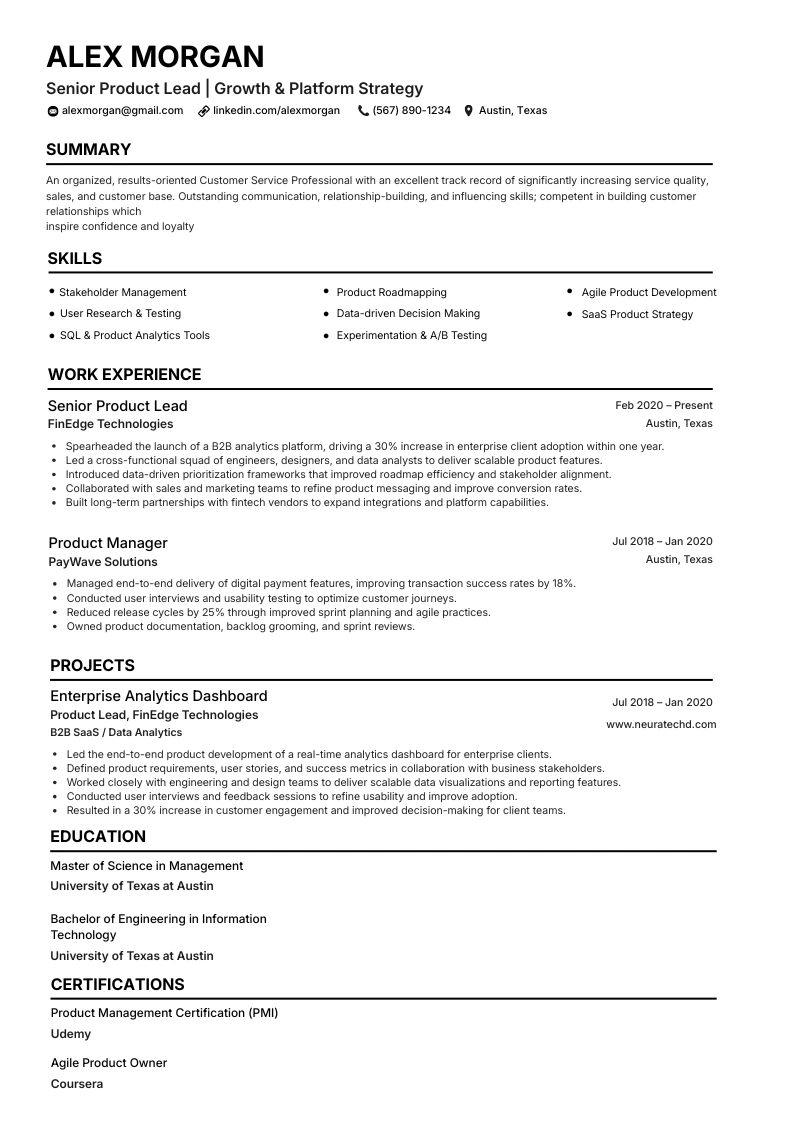
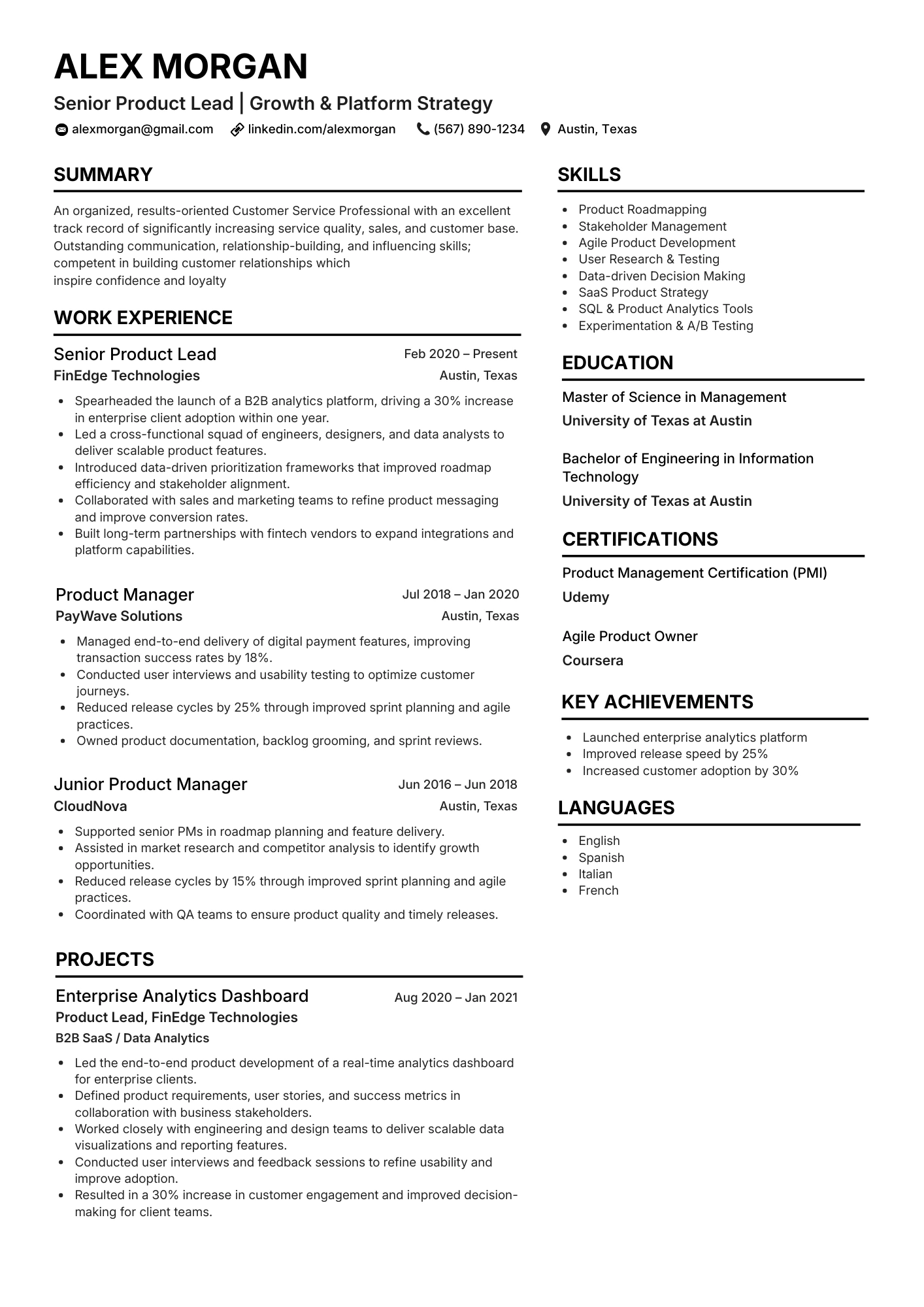
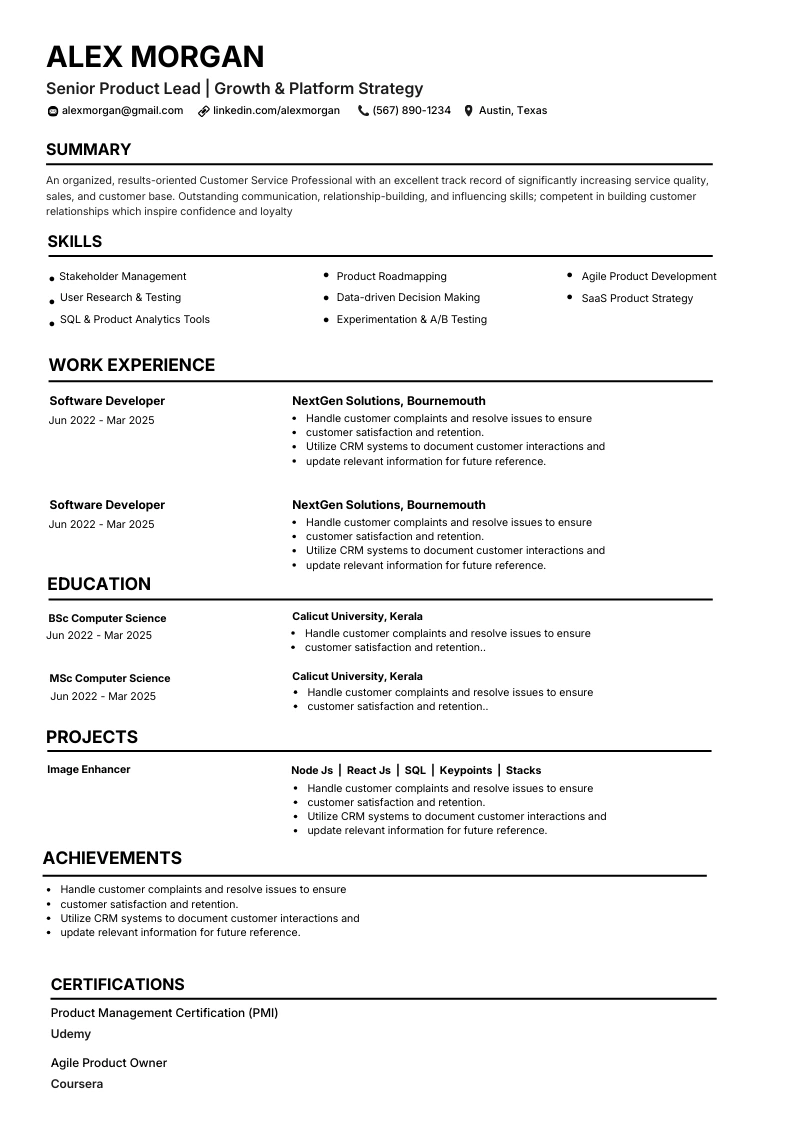
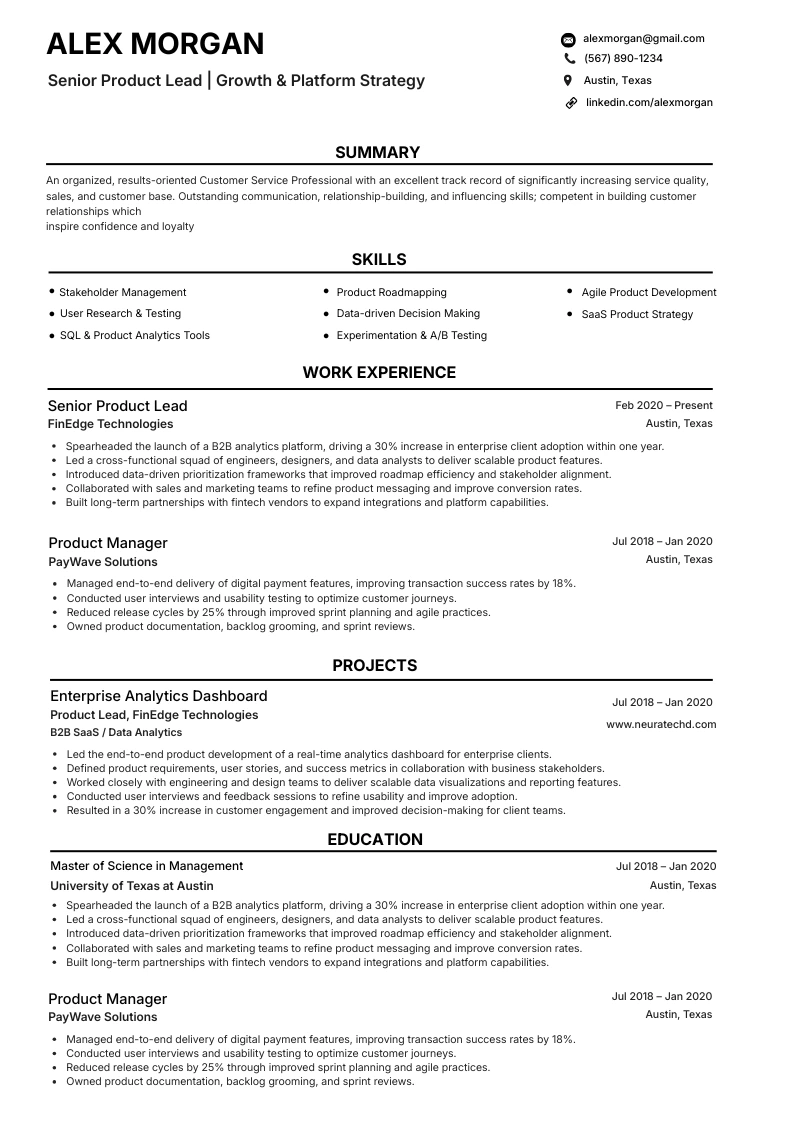
ATS-safe layouts to support better score outcomes.
These layouts are parser-friendly by design. Use them to remove formatting blockers before you optimize role terms and bullet quality.
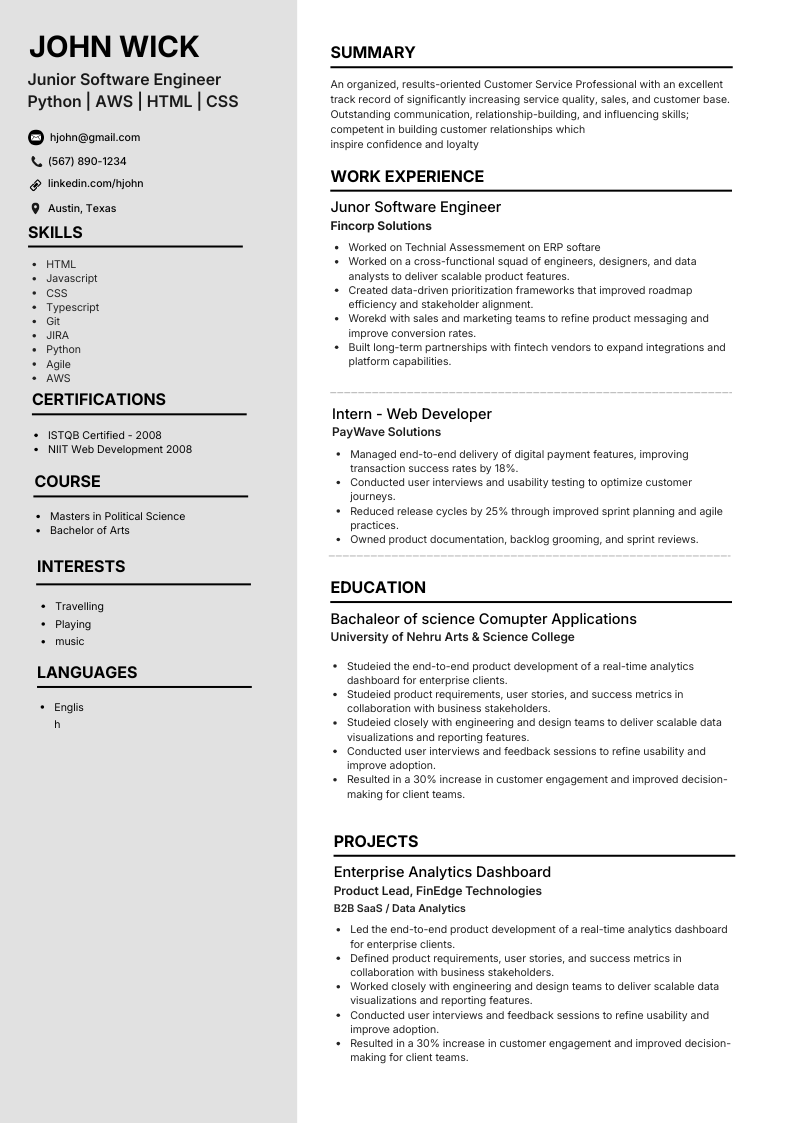
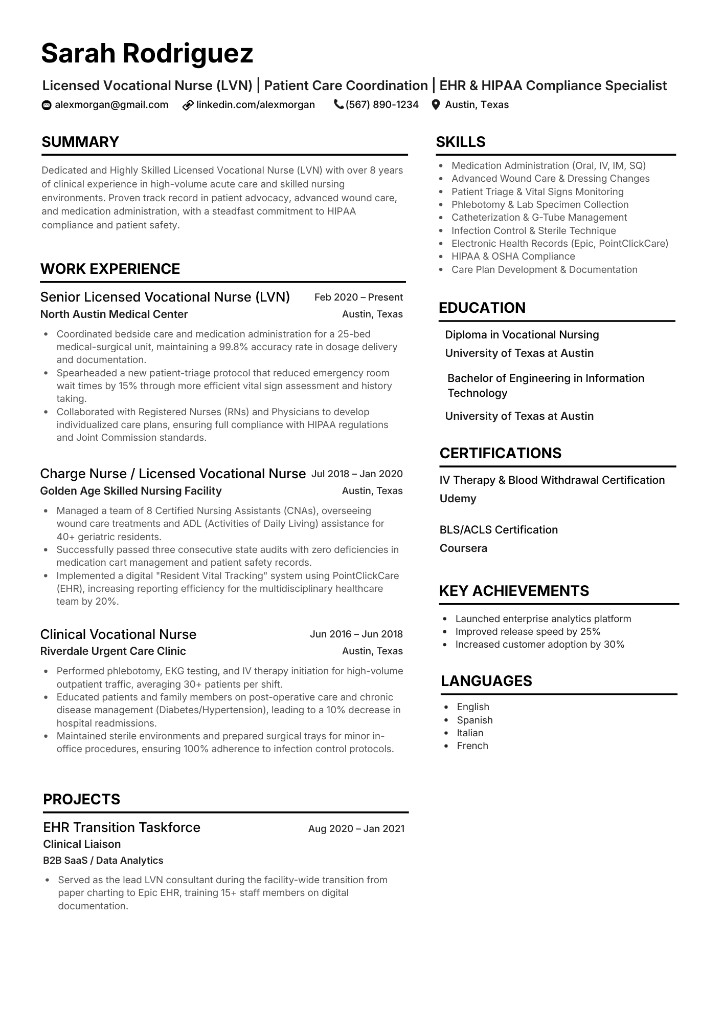
Use ATS score as a signal, not a final hiring verdict.
A strong score helps visibility, but hiring outcomes still depend on evidence quality, role fit, and recruiter confidence.
Use the ATS score framework that matches your context.
Different role types and hiring funnels require different ATS score expectations. Use the right benchmark and fix path for your scenario.
Early-career applicants
Focus on clear role title alignment, direct skill mapping, and concise achievement bullets. For this stage, ATS clarity and relevance often matter more than score perfection.
Mid-level professionals
Keep your score in the 80 to 90 band by matching required tools, role terms, and domain language. Strengthen your latest two roles with quantified outcomes.
Senior and leadership roles
Score quality depends on strategy evidence, team scale, and business impact. Keep language specific to your target remit and avoid generic leadership claims.
Career switchers
Translate past achievements into target-role language, then prioritize role-critical terms in summary and skills. ATS improvement starts with relevance, not volume.
Raise ATS alignment in four practical steps.
Extract role signals
Pull repeated tools, competencies, and responsibilities from the posting before editing your resume.
Fix structure first
Use standard headings and clear chronology so parsers map fields consistently across systems.
Rewrite weak bullets
Convert task statements into action plus result bullets that carry measurable, role-relevant impact.
Re-check by role
Run free ATS resume score checks after each meaningful revision and for every new role target.
Focus on the changes that actually lift your score.
Content quality
- Role-specific summary positioning
- Natural keyword placement
- Clear and measurable outcomes
- Recent-role emphasis
- Evidence over generic claims
- Concise and scannable phrasing
Structure and parsing
- Standard section headings
- Single-column or parser-safe layout
- Consistent date formatting
- Simple typography hierarchy
- No decorative blockers in core sections
- Readable spacing and ordering
Role alignment
- Job-description term mapping
- Domain and context matching
- Tool-stack relevance
- Seniority signal clarity
- Functional competency alignment
- Per-role iteration workflow
Check your ATS score and fix gaps in one workflow.
Use the checker to diagnose weak sections, then edit in the builder with role-specific guidance.
Answers about ATS scores and resume optimization.
More NeuraCV guides for better ATS outcomes.
Use these companion guides to benchmark your resume, improve structure, and increase interview visibility.
