Key skills for your CV in 2026: proof, placement, ATS fit
Skills for a curriculum vitae are not a decorative word cloud. They are tools, methods, and behaviours you can defend with evidence. This guide shows where each type belongs, gives CV skills examples you can adapt, and aligns your skill set for a CV with parsers and recruiters - without keyword stuffing.
Template
Single-column ATS layouts
Parser-safe headings and linear reading order for most application portals.
ATS tested
Score + keyword gaps
Paste the job description and fix overlap you can honestly claim.
Pricing
Free check to start
Credits for exports - confirm current packs on neuracv.com.
Exports
PDF & DOCX
Download formats suited to most employer portals when your plan or credits allow.
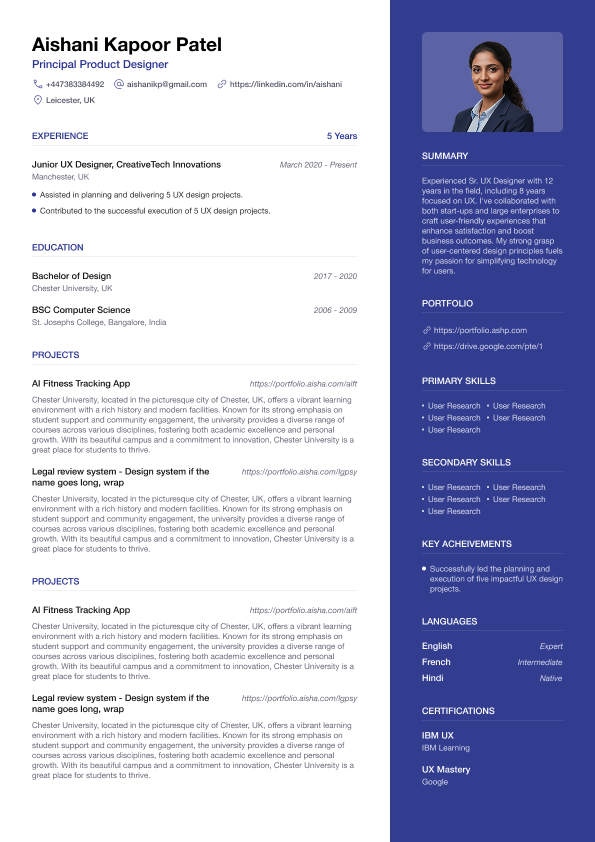
ATS-friendly layouts that carry your skills clearly
Illustrative NeuraCV previews with fictitious names - swap every line for your own verified experience before you apply.
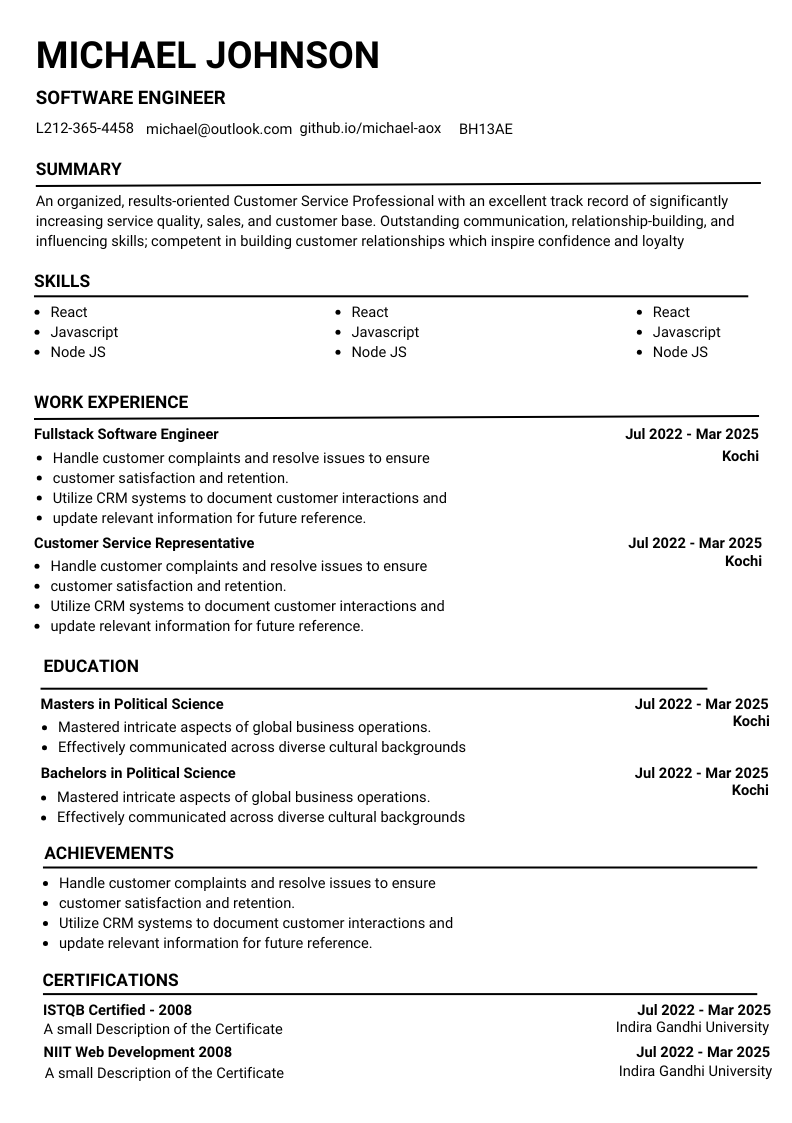
Engineering
Software engineer single column
Stack-forward skills beside measurable delivery bullets - easy for parsers to map.
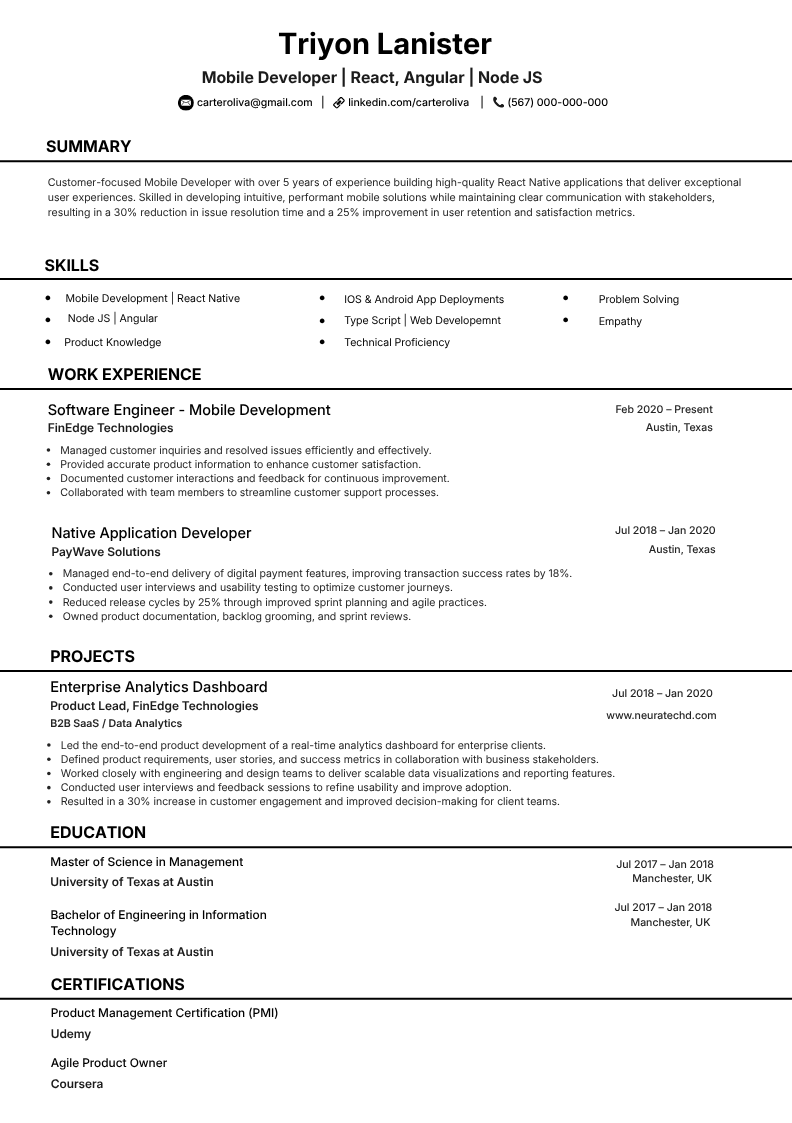
Mobile
Mobile developer skills row
Platform tools grouped under a tight competencies line that mirrors the job post.
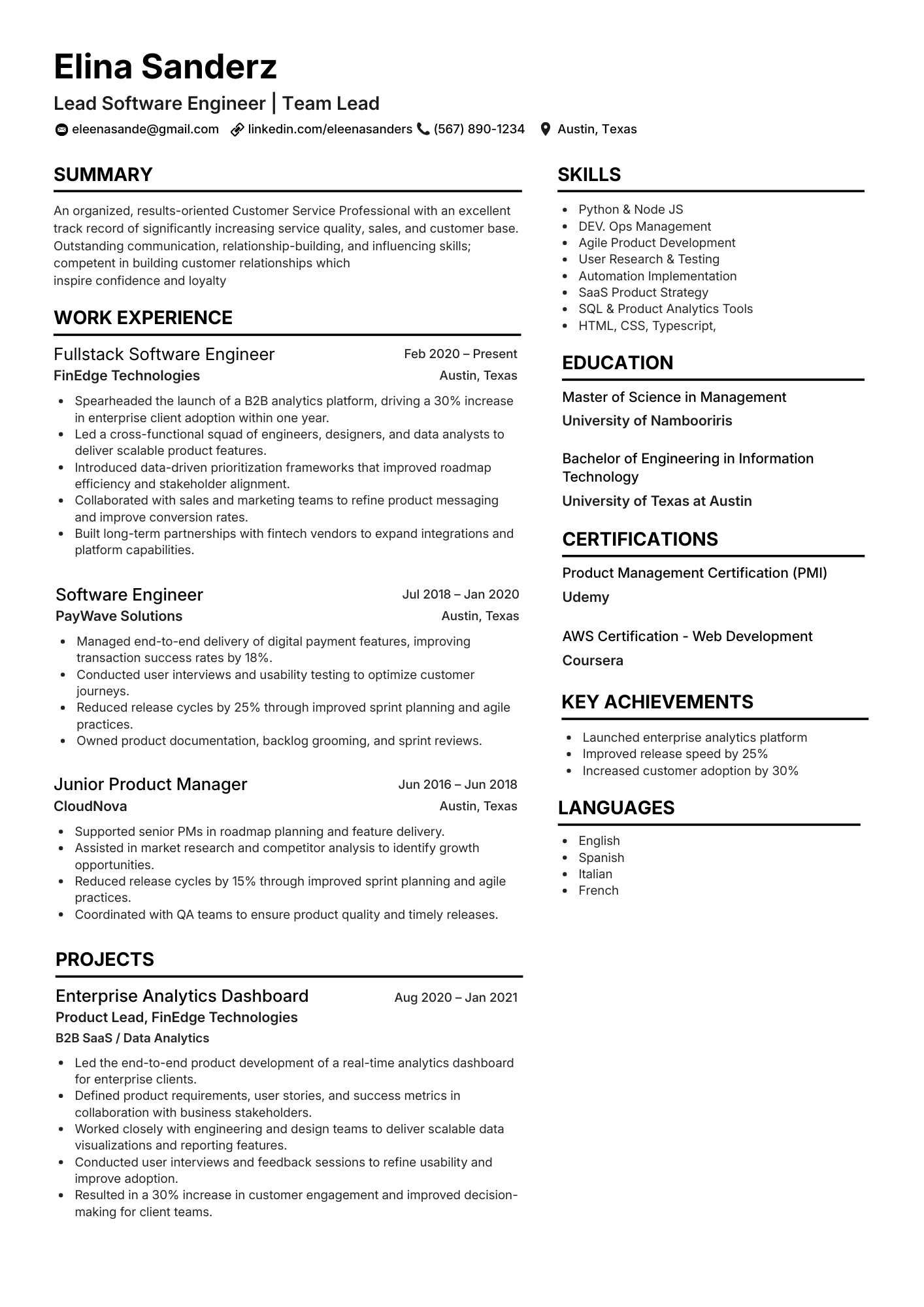
Leadership
Lead engineer scope + stack
Blends people skills inside delivery bullets instead of a wall of adjectives.
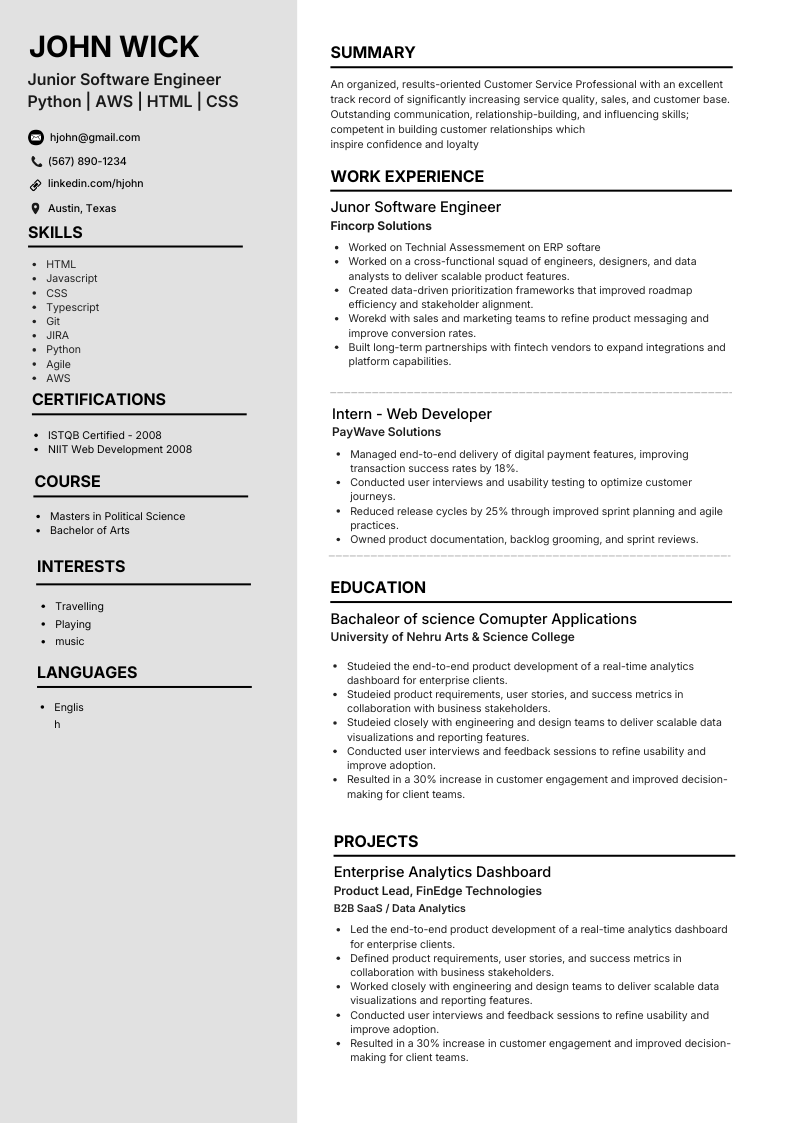
Early career
Junior engineer compact skills
Short grouped list backed by projects, coursework, and internships.
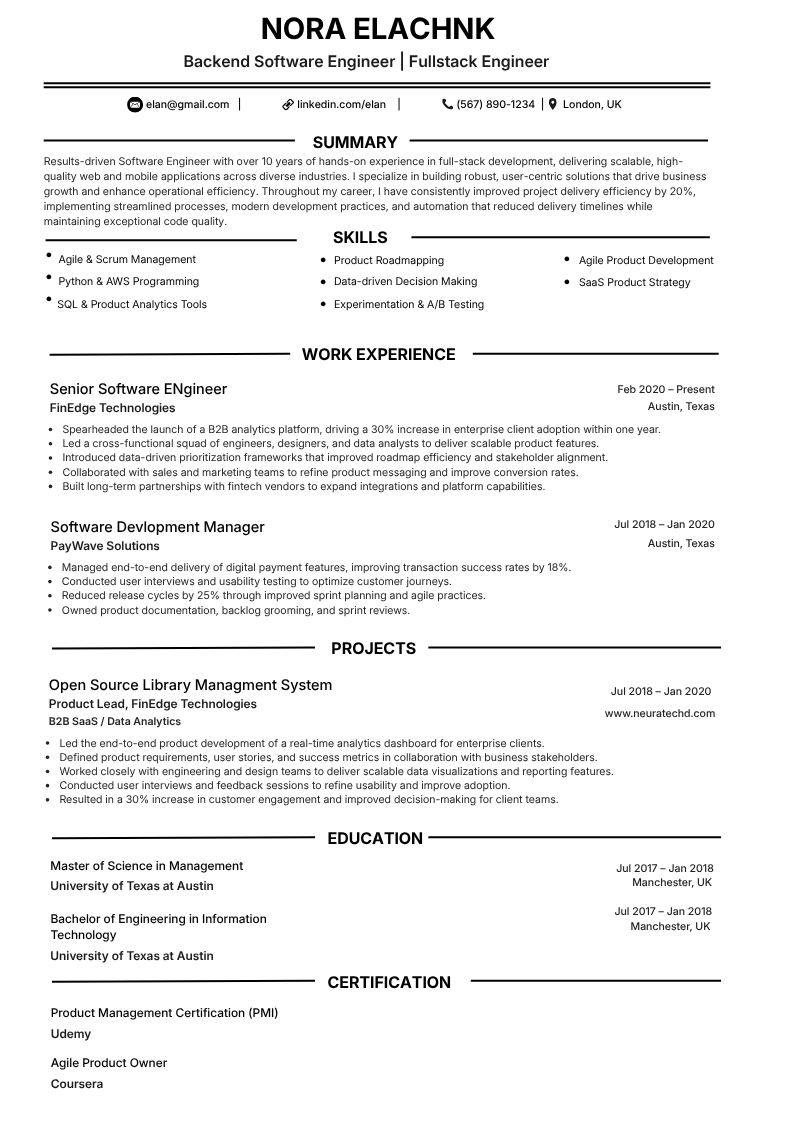
Backend
Backend engineer data & APIs
Methods and infrastructure keywords anchored to outcomes, not buzzwords alone.
Design
UX designer research & craft
Research, prototyping, and facilitation shown inside project bullets first.
Skills on a CV: NeuraCV versus Canva and chat AI
Design tools and general AI can draft lines, but they do not replace parser-safe structure, honest keyword overlap, and exports hiring portals accept. This matrix highlights practical differences - verify features on each product.
| Capability | NeuraCV | Canva | ChatGPT | Other AI builders |
|---|---|---|---|---|
| ATS parsing & layout risk | Templates and designer geared for linear parse output; scan surfaces scrambled text order. |
Strong visuals; multi-column or text-box heavy docs can confuse some parsers. |
No native parser preview - you must paste-test and judge structure yourself. |
Varies widely; some skip parse checks entirely. |
| No subscription lock-in | Freemium path with credits for premium exports - confirm neuracv.com pricing. |
Often subscription for pro assets; check Canva billing. |
Plus plans for heavy use; no bundled CV-specific billing model. |
Many push monthly AI builder plans. |
| Job-description keywords | Gap list against a pasted post inside the ATS workflow. |
Manual matching; no built-in JD gap report. |
You prompt for overlaps; quality depends on your instructions. |
Some offer matchers; depth differs by vendor. |
| Free ATS checker | Guest-friendly first scan - limits published on site. |
Not a dedicated ATS score product. |
No employer-grade score without a separate tool. |
Sometimes teaser scores behind paywalls. |
| PDF + DOCX exports | Export paths aimed at application portals (per plan/credits). |
PDF common; Word depends on workflow. |
Copy-paste only unless you format elsewhere. |
Usually yes; parse quality still varies. |
| Regional CV variant | Locale-aware templates and guidance for multiple hiring markets. |
Generic global designs; you adapt norms. |
Depends on prompt; no locale-aware export. |
Mixed support for spelling, titles, and section labels. |
Map skills to your sector before you write bullets
Pick the lane that matches your next role, then mirror the job's language where it truthfully reflects your work.
Software & data: stack & delivery
Lead with stack, scale, and delivery metrics. Keep frameworks adjacent to the teams and products you shipped.
Nursing & clinical: care & governance
Pair regulated skills with ward settings, caseload, and governance. Certifications belong beside the care outcomes they unlock.
Marketing & growth: channels & metrics
Blend channel tools with experimentation and stakeholder narrative. Show budget or pipeline impact where you can.
Finance & operations: controls & systems
Highlight controls, reporting cadence, and systems of record. Quantify accuracy, speed, or risk reduction.
Four steps to an honest skills section
Repeat the loop for every role you care about winning - evidence first, keywords second.
Read the job description like a checklist
Highlight must-have tools, behaviours, and outcomes. Group them into three to five themes you can match to your own experience.
Split hard and soft skills and inventory proof
Hard skills are teachable tools such as software, methods, or regulations. Soft skills are behaviours such as facilitation or stakeholder communication. List projects or roles that prove each theme.
Place proof in employment bullets before the list
Lead with two or three bullets that echo the posting using outcomes you really delivered. Add a concise grouped skills row only to reinforce what you already demonstrated.
Check overlap with an ATS-style scan
Paste the job description into NeuraCV's checker, read the gap list, and only add phrases you could defend in an interview.
Three columns recruiters scan after your headline
Clinical-equivalent means domain capabilities you could testify to in review - whether or not you work in healthcare. Keep each bullet tied to a role, project, or credential.
Clinical-equivalent · domain proof
- Regulated or certified methods you actually hold (e.g., GDPR-aligned data handling, clinical governance, ISO-aligned documentation).
- Domain depth: pathway ownership, caseload, risk decisions, or compliance milestones with scope stated.
- Delivery craft tied to outcomes: audit readiness, incident learning, quality improvement cycles.
Systems & tools · stack & methods
- Stack literals: languages, clouds, CRMs, ATS tools, design systems - only where used in the bullets above.
- Methods: Agile ceremonies, experiment design, SQL modelling, forecasting, vendor governance.
- Productivity surfaces: ticketing, docs, BI dashboards - name the systems you touched weekly.
Professional · how you work
- Stakeholder communication: exec readouts, workshop facilitation, cross-functional prioritisation.
- Leadership behaviours: coaching juniors, vendor negotiation, conflict resolution in delivery.
- Judgement signals: ambiguity tolerance, ethical calls, remote-first collaboration rhythms.
Built your skill list? Check against the job.
Run NeuraCV's free ATS check on the CV you plan to submit, then tighten gaps you can honestly support - structure before synonym stuffing.
Frequently asked questions
Common questions about skills, ATS fit, and tailoring - before you submit.
More NeuraCV guides for your next application.
Keep building a proof-first CV or resume with these companion guides and free tools from the NeuraCV editorial team.
Hiring practices differ by sector; follow each employer's upload instructions. Features and pricing change - confirm details on neuracv.com before you purchase.
